
Community
Clearwater victim loses over $1.5 million in fake law enforcement scheme
By Katherine Langford
Advertisement · Why this ad?
Katherine oversees editorial operations across all six brands. Before joining The Meridan Group, she spent 14 years at the Minneapolis Star Tribune, where she led the metro desk through its digital transformation. She holds a Master's in Journalism from Northwestern's Medill School.
More from Katherine →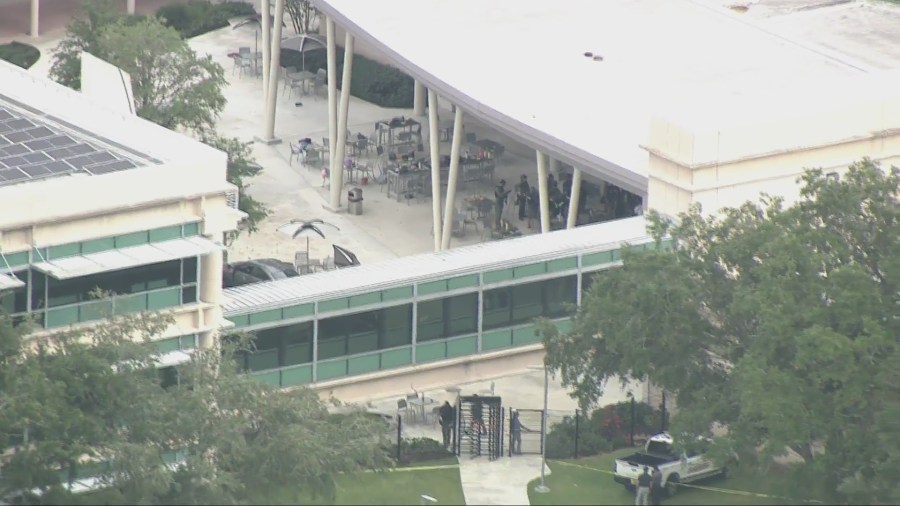
On a quiet Wednesday morning, the tranquility of Tampa’s Citibank campus was shattered by the sound of gunfire, leaving a community shaken and prompting urgent questions about workplace safety and emotional resilience. Among those present was Sarah Mitchell, a 32-year-old bank teller, who recalls the chaos and fear that unfolded in mere moments. Her experience underscores the profound human impact behind the headlines and the pressing need for comprehensive security measures in our workplaces.
According to authorities, the incident occurred just before 10 a.m., when an unidentified gunman opened fire inside the Tampa Citibank facility. The shooter, whose motives remain under investigation, discharged multiple rounds before being subdued by law enforcement. Tragically, one employee was fatally wounded, and several others sustained injuries requiring medical attention. The incident has sent shockwaves through the local community, raising critical questions about how such violence can be prevented in environments that are meant to be safe.
In the aftermath, law enforcement officials worked swiftly to secure the scene, and the suspect was taken into custody without further incident. The FBI and local police have launched a joint investigation, focusing on the shooter’s background and potential warning signs. Meanwhile, the community is grappling with the reality that even well-established financial institutions are vulnerable to acts of violence.
The shooting has ignited a wave of concern among residents and business leaders alike. Many are calling for enhanced security protocols and mental health support for employees. Local chambers of commerce, including the Tampa Bay Chamber, have emphasized the importance of fostering safe workplaces rooted in strong community ties and vigilant security practices.
Beyond the physical injuries, the emotional scars are evident. Dr. Laura Jennings, a licensed counselor specializing in trauma recovery, notes that incidents like this leave lasting impressions on those who witness or are affected by them. "The trauma of gun violence in the workplace can lead to anxiety, depression, and a sense of vulnerability that persists long after the event," she explains. Employers are urged to provide accessible mental health resources and foster a culture of openness and support to aid recovery.
In response to the tragedy, Citibank has announced plans to review and strengthen its security policies across all Florida branches. The company’s CEO issued a statement affirming their commitment to employee safety and mental well-being. Local officials are also considering legislative measures to improve workplace safety standards, including mandatory security audits and crisis response training for staff.
Furthermore, community organizations such as Tampa Bay Partnership are collaborating with law enforcement to develop proactive strategies that prevent future incidents. Schools, businesses, and faith-based groups are called to unite in promoting a culture of vigilance and care, emphasizing the importance of strong families and authentic faith in overcoming adversity.
Looking ahead, the city of Tampa and surrounding communities are committed to healing and resilience. Initiatives aimed at mental health awareness, community engagement, and workplace safety are gaining momentum, reflecting a collective resolve to protect and nurture our shared spaces. As families and individuals seek stability and hope, the lessons from this tragedy serve as a stark reminder of the ongoing need for vigilance, compassion, and genuine community commitment.
In Dunedin, a city known for its tight-knit neighborhoods and faith-centered values, this incident resonates deeply. It underscores the importance of fostering environments where families can thrive securely, and where faith and community support serve as anchors in times of crisis. As we reflect on the events in Tampa, let us renew our dedication to building a safer, more compassionate community for all.
Dunedin, situated just a short drive from Tampa, is renowned for its charming downtown, vibrant arts scene, and strong sense of community. With a population of approximately 36,000 residents, Dunedin is characterized by its historic neighborhoods, active civic groups, and a deep-rooted faith community that plays a vital role in everyday life. The city’s motto, “A place to call home,” reflects its residents’ commitment to fostering a safe and welcoming environment.
Over the years, Dunedin has faced its share of challenges, from economic downturns to natural weather events, but its community has consistently demonstrated resilience. Local leaders, including Mayor Julie Ward Bujalski and community organizer Pastor Samuel Rodriguez, have emphasized the importance of unity and proactive engagement during times of crisis. Their leadership has helped mobilize neighborhood watch programs, mental health initiatives, and community dialogues aimed at strengthening bonds and ensuring safety.
While the shooting occurred in Tampa, the ripple effects are felt deeply in Dunedin. Many residents commute to Tampa for work, and local businesses often collaborate with Tampa-based companies. The incident raises concerns about workplace safety across the region, prompting local employers and civic groups to reevaluate their security protocols. Furthermore, Dunedin’s faith communities, such as Calvary Episcopal Church and the Dunedin Christian Church, are organizing prayer vigils and support groups to help those affected and to promote healing.
For families in Dunedin, the event underscores the importance of community preparedness and mental health awareness. Schools like Dunedin High School and local youth organizations are increasingly advocating for crisis response training and mental health education to equip students and staff with tools to cope with trauma.
As the community processes this tragedy, several initiatives are underway to prevent future violence and support recovery. Local officials are calling for a regional dialogue on workplace safety, involving law enforcement, business leaders, mental health professionals, and community advocates. The goal is to develop comprehensive safety standards tailored to the unique needs of Dunedin and the Tampa Bay area.
One promising development is the proposal for mandatory crisis response training for all local businesses, especially financial institutions, healthcare providers, and government offices. This training would include active shooter protocols, mental health first aid, and communication strategies during emergencies. The Dunedin Police Department has expressed support for these measures, emphasizing that prevention and preparedness are key to safeguarding residents.
Additionally, community organizations are advocating for increased funding for mental health services, emphasizing early intervention and ongoing support for trauma survivors. The Dunedin Community Foundation has announced plans to allocate resources toward expanding local counseling programs and creating safe spaces for dialogue and healing.
In the coming months, Dunedin will host a series of town hall meetings, workshops, and school programs designed to educate residents about safety and mental health. These initiatives aim to foster a culture of vigilance, compassion, and resilience. Local faith groups will also play a crucial role, offering spiritual support and community outreach to help individuals process their grief and fears.
Looking ahead, the focus will be on turning grief into action. Building stronger partnerships between law enforcement, mental health providers, schools, and faith communities will be essential. Dunedin’s leaders are committed to ensuring that the lessons learned from Tampa’s tragedy translate into tangible improvements in safety and well-being for all residents.
As the city continues to heal, there is a shared hope that Dunedin’s close-knit spirit and faith-centered values will guide its recovery process. The community’s resilience, rooted in compassion and proactive engagement, will be vital in creating a safer, more supportive environment for everyone.
By Katherine Langford

By Katherine Langford

By Marcus Chen

By Marcus Chen