
Technology
$47M grant aims to make Moffitt a hub for radiopharmaceutical cancer treatment
By Marcus Chen
Advertisement · Why this ad?
Katherine oversees editorial operations across all six brands. Before joining The Meridan Group, she spent 14 years at the Minneapolis Star Tribune, where she led the metro desk through its digital transformation. She holds a Master's in Journalism from Northwestern's Medill School.
More from Katherine →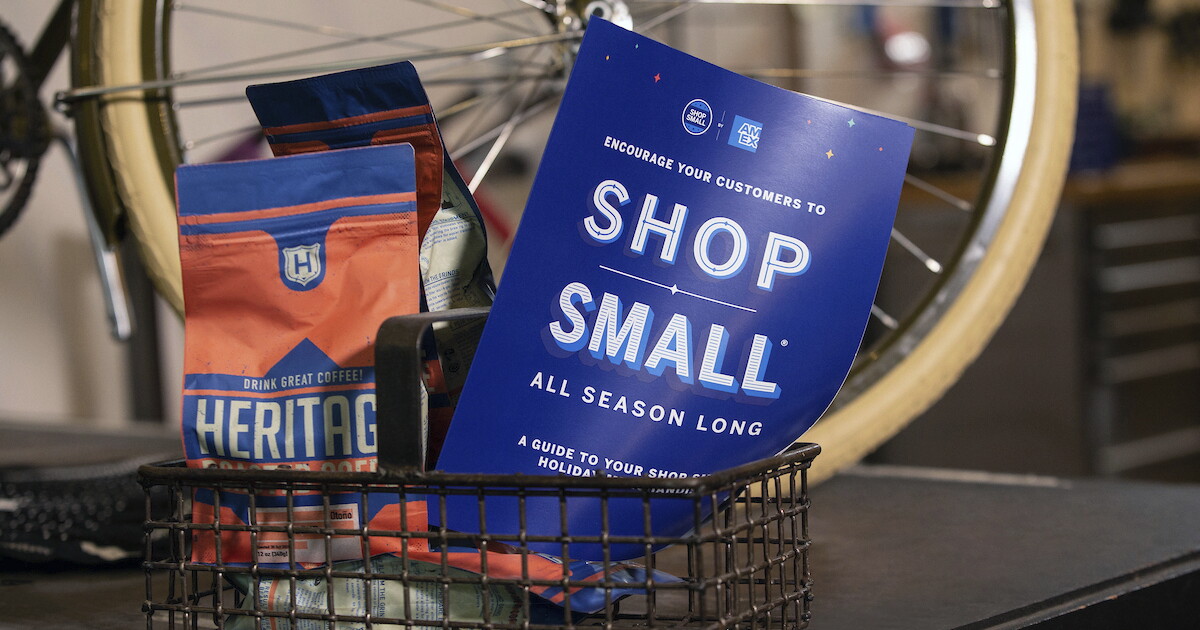
The desire to support local businesses is a powerful one, offering a feel-good payoff for consumers. But how much more are shoppers willing to pay, and how much longer are they willing to wait for an order to arrive? A recent survey by the Michigan Economic Development Corporation reveals that 63% of shoppers are willing to pay up to 5% more for U.S.-made products, and a significant 89% are more likely to shop at small businesses that source their products locally. However, this willingness has its limits, as price and delivery speed can quickly become significant barriers.
The convenience of major retailers has fundamentally reshaped consumer expectations. Jason Miller, a professor of supply chain management at Michigan State University, explains that the “Amazon effect” and the expectations of Gen-Z consumers have created a demand for speed and efficiency. “They tend to be very intolerant of low product availability or unduly long wait times,” Miller said. This puts smaller retailers at a distinct disadvantage, as offering services like two-day delivery often requires a complex and expensive infrastructure. The rise of e-commerce giants has not only accelerated delivery timelines but also created a culture of instant gratification that smaller, local businesses struggle to replicate without significantly impacting their profit margins. Many local businesses operate on tighter budgets and lack the economies of scale that allow larger corporations to absorb the costs associated with extensive distribution networks.
The challenges faced by local businesses aren't just theoretical; they resonate deeply within communities like Dunedin, Florida. Dunedin, with its charming downtown area and strong sense of community, prides itself on its unique local shops and restaurants. However, these businesses are constantly battling against the convenience and pricing pressures of larger chains and online retailers. The success of these local establishments isn't just about providing goods or services; it's about contributing to the overall character and economic vitality of Dunedin. When residents choose to shop local, they’re directly investing in their community, supporting local jobs, and ensuring the continued vibrancy of Dunedin’s downtown area. The city itself actively promotes local businesses through various initiatives, recognizing their crucial role in maintaining Dunedin's appeal as a desirable place to live and visit.
To understand the realities of shopping exclusively local, Jennifer Barger, director of content at Consumers' Checkbook, embarked on a month-long experiment. She aimed to apply the principle not only to food but also to other household necessities. Barger quickly discovered that shopping local often requires a problem-solving mindset and a willingness to adapt. For example, when she needed a new electric toothbrush, she couldn't find it immediately and had to rely on a local pharmacy to order it for her. “You had to make a little bit more effort, but I felt way better about giving my money to them than giving it to a giant conglomerate,” she said. The process highlighted the importance of building relationships with local business owners and understanding their inventory limitations. It’s a shift from the transactional nature of online shopping to a more collaborative and personalized experience.
While the perception is that shopping small always means paying more, Barger’s experience showed that this isn't always true. Some locally sourced produce was priced competitively with larger chains, while other items presented a different story. Toilet paper, fish, technology products, and shoes were among the items she found significantly more expensive or difficult to procure locally. This highlights a crucial point: even when committed to supporting local economies, consumers may still need to rely on major retailers for certain staples. The cost difference often stems from the fact that local businesses typically purchase smaller quantities of goods, leading to higher per-unit costs compared to the bulk purchasing power of large chains.
It’s also important to note that “shopping local” doesn’t automatically equate to “buying domestically.” Independent stores can, and often do, sell products sourced from outside the United States. This can be a point of confusion for consumers who are genuinely trying to support American-made goods. Careful label reading and research are necessary to ensure that purchases align with desired values. Many local businesses are actively working to source more products from domestic suppliers, but the transition can be complex and time-consuming.
The global supply chain disruptions experienced in recent years have further exacerbated the challenges faced by local businesses. Tariffs, shipping delays, and material shortages have all contributed to increased costs and limited product availability. This has made it even more difficult for local businesses to compete with larger retailers who often have established relationships with suppliers and can absorb some of the increased costs. The Michigan Economic Development Corporation's survey underscores the growing consumer desire for U.S.-made products, but fulfilling that demand requires a robust and resilient domestic supply chain.
For consumers looking to incorporate more local shopping into their routines, Barger recommends starting gradually. “That could mean trying a neighborhood pharmacy or farmers market, then comparing the price, quality and convenience with what you normally buy elsewhere,” she suggests. This approach allows shoppers to assess the trade-offs and find a balance that works for their budget and lifestyle. It's about making conscious choices and prioritizing values over purely price-driven decisions.
Barger acknowledged that her experience was particularly practical due to her living within walking distance of a downtown area with diverse options and shopping only for herself and her husband. Families with children or individuals living in more rural areas may face additional challenges in accessing local goods and services. The limited availability of local stores and the potential for higher prices can make it difficult to sustain a fully local shopping lifestyle. For families, the convenience of one-stop shopping at larger retailers often outweighs the desire to support local businesses, particularly when juggling multiple responsibilities.
Furthermore, resources are available to help businesses source products closer to home. Miller notes that programs in some states can help companies identify regional suppliers, particularly when tariffs or supply-chain disruptions impact existing relationships. These initiatives can contribute to a more resilient and localized economy. These programs often involve connecting businesses with local manufacturers and distributors, reducing transportation costs and lead times, and fostering a sense of collaboration within the community. The Michigan Business One Stop is one example of such a resource.
The annual Small Business Saturday, held the Saturday after Thanksgiving, provides a dedicated opportunity for consumers to support local businesses and celebrate their contributions to the community. This event serves as a reminder of the importance of local economies and the positive impact that conscious consumer choices can have. In Dunedin, local businesses often participate in special promotions and events to attract shoppers during Small Business Saturday, creating a festive atmosphere and showcasing the unique offerings of the community.
Local businesses are increasingly leveraging technology to overcome some of the challenges posed by larger retailers. Online ordering, curbside pickup, and local delivery services are becoming more common, allowing smaller businesses to compete on convenience. Social media marketing and targeted advertising can also help local businesses reach a wider audience and build brand awareness. However, implementing these technologies requires investment and expertise, which can be a barrier for some businesses.
Ultimately, shopping local requires a bit more planning and consideration. While the benefits – supporting local jobs, strengthening community ties, and reducing environmental impact – are significant, consumers must weigh these against the potential for higher prices and longer wait times. As technology continues to evolve, local businesses are exploring innovative ways to compete with larger retailers, such as online ordering and delivery services that maintain a local focus. The key is finding a balance that aligns with individual values and budgets, and recognizing that even small changes in shopping habits can make a difference. For Dunedin residents, choosing to shop local isn't just about buying goods; it's about investing in the future of their community.
By Marcus Chen

By Katherine Langford

By Marcus Chen

By Marcus Chen