
Government
‘Tampa Bay Reporter’ news website to celebrate launch with Friday party at Ferg’s
By Katherine Langford
Advertisement · Why this ad?
Marcus manages the day-to-day editorial workflow across all brands, coordinating coverage assignments and ensuring editorial standards are met. He previously served as city editor at the Pioneer Press and holds a degree in Political Science from Carleton College.
More from Marcus →
As the sun set over St. Petersburg, the air buzzed with anticipation. Residents gathered at local eateries, discussing the pivotal mayoral race set for Tuesday. At the center of the excitement are two prominent figures: incumbent Mayor Ken Welch and former congressman Charlie Crist, both vying for the city’s top office in a contest that could reshape local governance.
In a city known for its vibrant arts scene and stunning waterfront, the stakes are high as Welch seeks re-election against Crist, a seasoned political veteran. Welch, who has served as mayor since 2021, has focused on enhancing community engagement, infrastructure improvements, and public safety. Conversely, Crist, who previously represented Florida’s 13th congressional district, aims to leverage his extensive political experience to advocate for policies addressing housing affordability and environmental sustainability.
The election is set for Tuesday, a date that residents are marking on their calendars. Welch’s campaign has emphasized his administration’s achievements, including efforts to improve public transportation and expand green spaces. Crist, on the other hand, has criticized Welch's administration for what he describes as a lack of progress on critical issues facing St. Petersburg.
As voters prepare to head to the polls, several key issues resonate throughout the community. Housing affordability remains a pressing concern, with many residents struggling to find affordable options in a rapidly growing city. Both candidates have articulated plans to address this issue, but their approaches differ significantly.
Welch advocates for maintaining current development policies while enhancing support for affordable housing initiatives. He believes in balancing growth with sustainability, emphasizing that St. Petersburg should remain an inclusive city for all its residents. Crist, however, proposes a more aggressive stance, calling for stricter regulations on developers to ensure that new projects include affordable units.
Another significant issue in this race is environmental sustainability. St. Petersburg, with its beautiful beaches and waterfront parks, has a vested interest in protecting its natural resources. Welch has promoted initiatives aimed at reducing the city’s carbon footprint and enhancing resilience against climate change. His administration has invested in solar energy projects and improved waste management systems.
Crist, a former governor and congressman, has made environmental issues a cornerstone of his campaign, promising to push for more robust policies to combat climate change. He argues that the city needs to take bolder steps to protect its ecosystems, including stricter regulations on pollution and increased funding for conservation efforts. This focus on environmental sustainability resonates with many voters who are concerned about the long-term health of the community and its natural surroundings.
Another critical aspect of this race is community engagement. Welch has prioritized fostering a transparent government, implementing initiatives that encourage public participation in decision-making processes. His administration has hosted town halls and workshops, aiming to hear directly from constituents.
In contrast, Crist has focused on mobilizing grassroots support, leveraging his extensive network to engage voters through door-to-door canvassing and community events. His campaign emphasizes the importance of listening to the voices of those often overlooked in political discourse. For instance, Crist has organized forums specifically targeting young voters and marginalized communities, aiming to ensure that their concerns are front and center in the electoral conversation.
The community’s response to the upcoming election has been mixed, with passionate supporters on both sides. Welch’s backers praise his leadership style and commitment to public service, often citing his focus on improving the city’s infrastructure and public safety. “He’s done a great job keeping us safe and making our city better,” said local resident Maria Gonzalez, who plans to vote for Welch.
On the flip side, Crist’s supporters are energized by his track record in Congress and his focus on progressive issues. “We need someone who understands the challenges we face and can bring real change,” said longtime St. Petersburg resident James Thompson, who is backing Crist. This election has sparked lively discussions in homes and businesses alike, highlighting the community's investment in the future of their city.
Local businesses are also weighing in on the election, with many owners expressing their concerns about the economic climate and the impact of policies on small businesses. Jennifer Lee, a small business owner in downtown St. Petersburg, commented, “We need a mayor who understands the struggles of local entrepreneurs and will prioritize our needs. Both candidates need to show how they will support us amidst rising costs.”
Several community organizations have also taken a stand, hosting debates and forums to educate voters on the candidates’ positions. For example, the St. Petersburg Chamber of Commerce held a candidate forum that attracted a diverse crowd, showcasing the community's desire for informed decision-making. Such events have been crucial in helping residents navigate the complexities of the election and understand how each candidate's policies may impact their daily lives.
As the election date approaches, both candidates are ramping up their efforts to sway undecided voters. Welch plans to host a series of community forums leading up to the election, while Crist is focusing on targeted outreach to younger voters, a demographic that has shown increasing engagement in local politics.
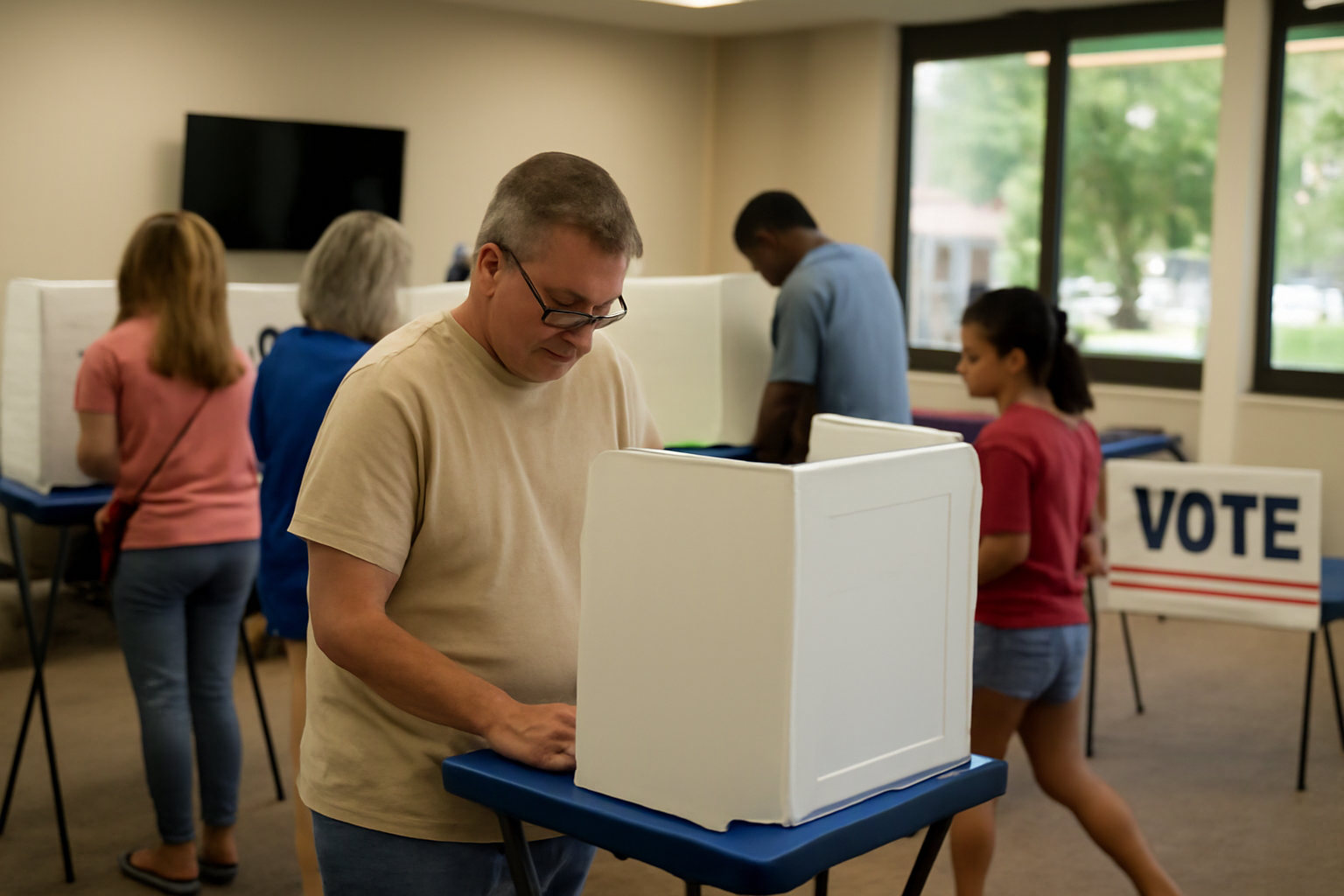
The outcome of this race will have significant implications for St. Petersburg’s future. Voters will not only decide who leads the city but also the direction of policies that will shape their community for years to come. With early voting already underway, residents are encouraged to make their voices heard.
This mayoral race is a reminder of the importance of local elections in shaping the lives of residents. While national politics often dominate headlines, local governance directly impacts issues like public safety, housing, and community resources. Residents are urged to recognize their power in influencing change at the local level, as these elections set the stage for future policies that affect their daily lives.
As St. Petersburg stands on the brink of a crucial election, the choices made by its residents will echo far beyond the ballot box. The clash between Welch and Crist represents more than just a political contest; it embodies the hopes and aspirations of a community striving for a better future. As the city prepares to cast its votes, the stakes have never been higher, and the outcome will undoubtedly shape the landscape of St. Petersburg for years to come.
Post-election, the winning candidate will face significant challenges and opportunities. With the city’s population continuing to grow, addressing infrastructure needs will be paramount. Local leaders will need to prioritize not only housing and environmental sustainability but also transportation and public safety to ensure that St. Petersburg remains a vibrant and livable city for all its residents.
Moreover, the new mayor will need to foster collaboration with local organizations, businesses, and community leaders to implement effective solutions. Engaging with diverse stakeholders will be crucial in creating a comprehensive plan that reflects the community's values and priorities. As both candidates have emphasized the importance of community input, the hope is that the elected mayor will continue to build on these engagement efforts, ensuring that all voices are heard in the decision-making process.
Ultimately, the upcoming election is not just about choosing a mayor; it's about shaping the future of St. Petersburg. Residents are encouraged to reflect on their values and priorities as they head to the polls, understanding that their vote is a powerful tool for change.
By Katherine Langford

By Marcus Chen
By Katherine Langford

By Katherine Langford