
Community
David Jolly makes 3 final in-person campaign stops ahead of election night
By Katherine Langford
Advertisement · Why this ad?
Marcus manages the day-to-day editorial workflow across all brands, coordinating coverage assignments and ensuring editorial standards are met. He previously served as city editor at the Pioneer Press and holds a degree in Political Science from Carleton College.
More from Marcus →
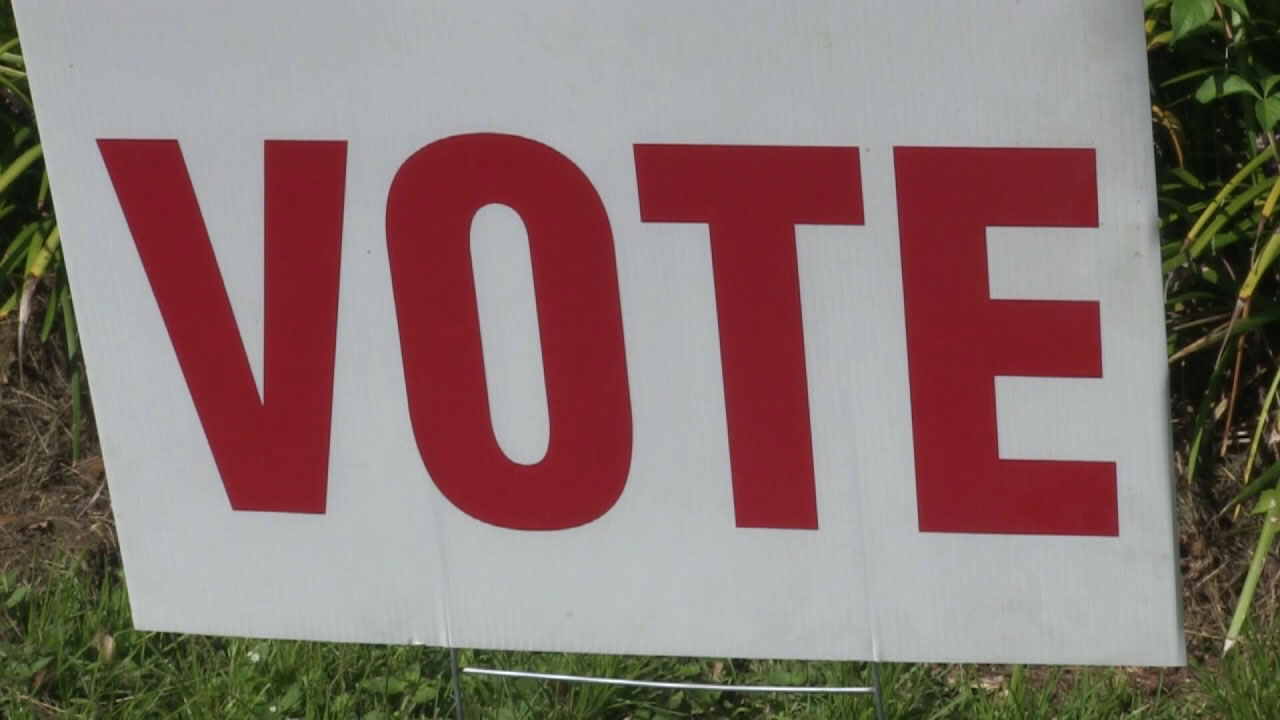
As the sun rises over Dunedin on November 3, 2026, residents will prepare to cast their votes in the midterm elections. For many, this day is not just about fulfilling a civic duty; it’s a chance to influence the future of their community and country. With a sense of purpose and determination, voters will head to their polling places, but first, they need to ensure they have the right information.
Election Day for the 2026 midterms is set for November 3. In Dunedin, as across Florida, it’s crucial for voters to understand what identification they need to bring to the polls. According to the Florida Division of Elections, voters must present a valid photo ID with a signature. Acceptable forms include a Florida driver's license, a Florida identification card, a U.S. passport, a military ID, or any other government-issued identification.
If you don’t have a photo ID, you can still vote by presenting two forms of identification that include your name and address. This could be a utility bill, bank statement, government check, or any official document with your name and address clearly printed.
Knowing where to vote is equally important. Voters can find their designated polling precinct by visiting the Pinellas County Supervisor of Elections website. By entering your address, you can quickly locate your precinct and confirm your voting location. This is particularly helpful for those who may have moved or changed their registration status since the last election.
Polling places in Dunedin will be open from 7 a.m. to 7 p.m. on Election Day, allowing ample time for residents to make their voices heard. Local leaders, including city council members and community activists, have emphasized the importance of voting, often encouraging residents to take advantage of the full voting hours to ensure everyone has the opportunity to participate.
In recent years, the topic of voter ID laws has sparked significant debate across the country. Supporters argue that requiring identification helps prevent fraud and ensures the integrity of the electoral process. Critics, however, contend that such laws can disenfranchise vulnerable populations who may not have easy access to ID. In Dunedin, community organizations are working to educate residents about their rights and the importance of being prepared. Local leaders, including members of the Dunedin Chamber of Commerce, have hosted workshops to help residents navigate these requirements.
As voters prepare to head to the polls, it’s essential to familiarize themselves with the ballot. The 2026 midterm elections will feature a variety of positions, including U.S. Senate, House of Representatives, and local races. Voters can access a sample ballot through the Vote Florida website, which provides details on candidates and measures that will be on the ballot.
Local issues can significantly impact the Dunedin community, from school board elections to city council positions. Engaging with candidates and understanding their platforms can help voters make informed decisions that reflect their values and priorities. Local candidates often hold meet-and-greet events, allowing voters to ask questions directly and understand the candidates' visions for Dunedin.
In Dunedin, community engagement is key to the electoral process. Organizations like the Dunedin Chamber of Commerce and local civic groups often host forums and discussions to inform residents about the candidates and issues at stake. Attending these events can provide valuable insights and foster a sense of community involvement. Local residents have expressed that these gatherings are not only informative but also help build relationships among neighbors, creating a stronger sense of community.
Moreover, with a growing emphasis on family values and community stability, it’s essential for voters to consider how their choices will affect the future of families in Dunedin. Strong leadership can lead to policies that support intact families and promote community growth. Local leaders, such as school board members and city councilors, are particularly focused on issues like education funding and public safety, which directly impact families in the area.
Another critical aspect of the upcoming midterm elections is the mobilization of young voters. Dunedin has a vibrant youth community, and organizations are actively working to engage younger residents in the electoral process. Initiatives aimed at educating high school students about voting and the importance of civic engagement are gaining traction. Local schools are incorporating discussions about elections into their curricula, encouraging students to participate in democracy as soon as they are eligible.
After the polls close, voters may seek information about the election results and next steps. The Pinellas County Supervisor of Elections will provide up-to-date results on their website. Residents can also follow local news outlets for coverage and analysis of the outcomes. Community leaders will likely hold events to discuss the implications of the results, helping residents understand how the election outcomes will affect local policies and initiatives.
For those interested in understanding the implications of the election results, local organizations and churches often hold discussions and workshops. Engaging with these groups can help residents process the outcomes and consider their role in shaping the community moving forward. These gatherings are crucial for fostering dialogue and ensuring that all voices are heard in the aftermath of the election.
As the 2026 midterms approach, it’s vital for Dunedin residents to stay informed and engaged. The choices made at the ballot box can have lasting impacts on the community, influencing everything from education and public safety to economic development and family support programs.
In a time when the nation faces numerous challenges, strong local leadership grounded in traditional values can pave the way for a brighter future. Voters are encouraged to participate actively, ensuring their voices are heard and their values represented in local governance. The upcoming elections are not just about individual candidates or issues but about the collective future of Dunedin. As residents prepare to cast their votes, they are reminded that every vote counts and can make a significant difference in shaping their community.
By Katherine Langford
By Katherine Langford

By Marcus Chen

By Marcus Chen